


Environmental protection is becoming increasingly important – and rightly so. However, with everything going on in student life, it's easy to let sustainability slip down the priority list. So how can we make our everyday lives more environmentally friendly? Read on for some simple tips and tricks that you can easily put into practice alongside your studies – and even save some money in the process.
Say Goodbye to Plastic Bottles
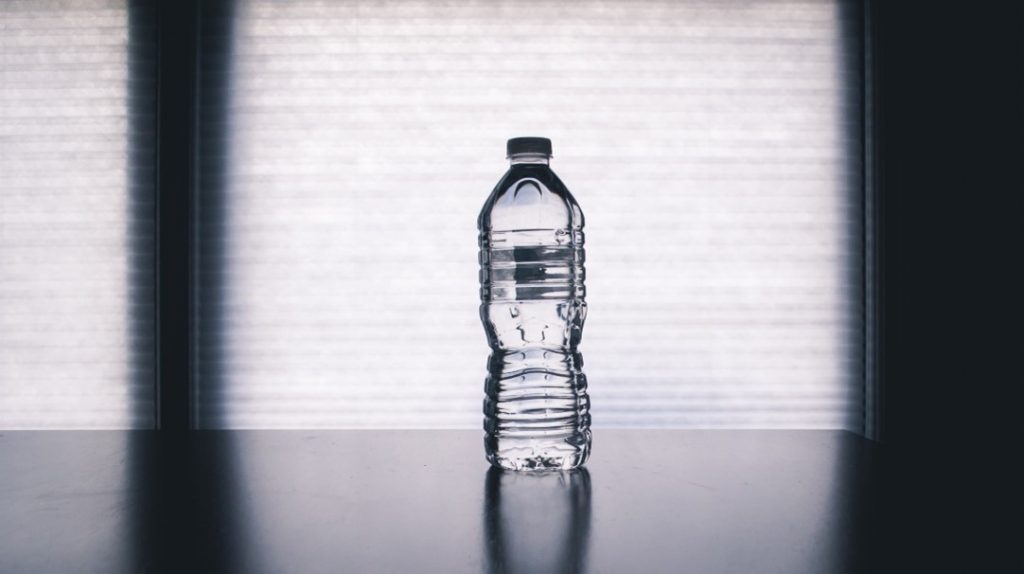
During an intense study session, it's easy to pop over to the vending machine for a refreshing drink. Sounds familiar? Especially during the summer months! On your way home, you might then casually toss the empty plastic bottle in the bin without giving it much thought. But here's something worth considering: Austria generates more plastic waste than the EU average. According to Greenpeace, Austria ranked fourth in the EU for plastic waste per capita in 2016. More specifically, Greenpeace reported that people in Austria used 50% more plastic bottles per person than the EU average that year.
It's time to make a change! Even small adjustments to your daily routine as a student can make a difference. Instead of repeatedly buying drinks in plastic bottles from the vending machine, simply bring your own drinks from home in a reusable glass bottle. You can even have bottles personalised to suit your style.
Drink Tap Water
At our Home4students Technikerstraße residence – and throughout Austria in general – tap water is safe to drink. This is particularly useful for international students to know. It's another good reason to stop buying bottled water and simply fill up a glass or bottle at home instead.
Recycle
Separating and recycling waste is essential for a more sustainable lifestyle. The exact rules vary slightly from one Austrian province to another, so it's best to check the official government website for the guidelines in your area. According to Greenpeace, only a third of Austria's plastic waste was recycled in 2016. Although that figure is now several years old, it highlights just how much room there was for improvement. Things need to change.
Luckily, it's easy to do your bit. At the Home4students residences, we have separate bins for plastic, glass, paper, cans, general waste and organic waste. We take turns emptying the kitchen bins (which, as we've discovered, makes for a handy little study break) and make sure everything ends up in the right bin.
Shop Second-Hand
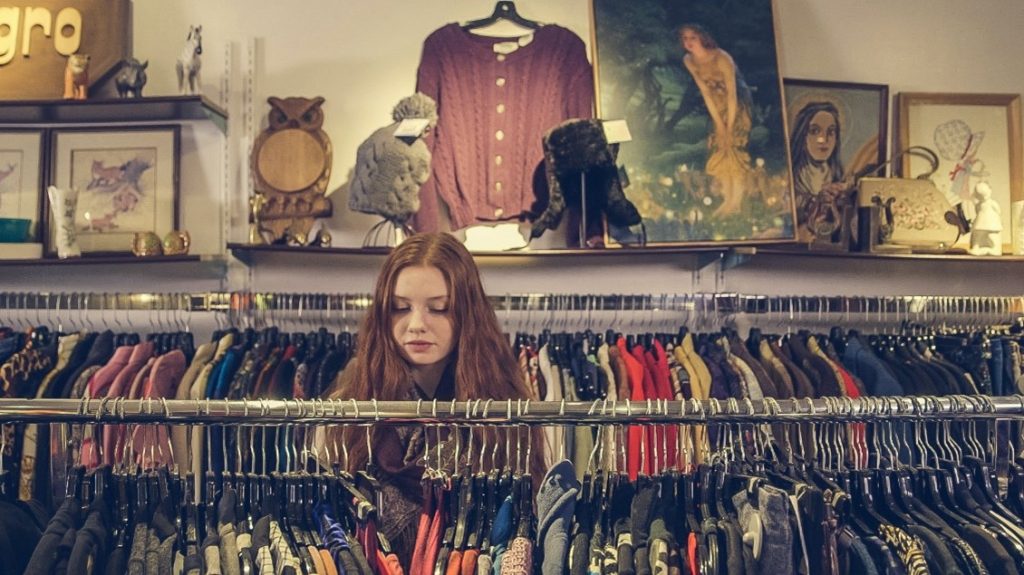
Student cities such as Innsbruck and Vienna are full of second-hand and vintage shops. Stylish, affordable and better for the environment – buying pre-loved clothes comes with plenty of benefits. I've already found some great accessories in Innsbruck's second-hand shops. Think stylish flared trousers and vintage jackets! You can often find unique pieces here that you won't see in mainstream shops. So why not become a trendsetter and explore your local second-hand stores?
Too Good To Go
If food waste were a country, it would be the world's third-largest source of greenhouse gas emissions, after China and the USA. The Too Good To Go app is helping tackle food waste and even won the Vienna Chamber of Commerce's Innovation Award in 2020. The app has been available in Tyrol for almost a year now. Through the platform, various bakeries and supermarkets offer their surplus food in the form of discounted surprise bags. For example, you can pick up a selection of pastries and bread from bakery Ruetz for just €2.99. Simply place your order through the app and collect your bag from your chosen branch at the end of the day.
Saving food from going to waste really can be that simple. And there's an extra bonus for students: it's cheaper, too! You might even discover some new favourite foods. It's a great way to find inspiration when you're not sure what to cook – or when you're missing home and don't feel like making dinner yourself.
Think Twice Before You Shop
When I'm out shopping, I find it helpful to stop and think before buying something. There are several things I consider before making a purchase:
- Should I buy the tomatoes wrapped in plastic, or the ones without packaging?
- Where do the products come from? Before buying a pomelo from China, it's worth pausing for a moment and asking yourself whether you really need to. Does a pomelo from China actually taste better than a grapefruit from Europe?
Paying a little more attention to what you buy and how it's packaged can make a big difference in the long run, even if it doesn't always feel that way at the time.💡
Hopefully, these tips have inspired you to make a few small changes to your daily routine and live more sustainably. Making environmentally conscious choices is perfectly achievable as a student – and it can even save you money in some cases. The planet will thank us for it!